Insights
Attribution, for businesses that close offline.
What we have learned reconciling closed sales against lead sources — the methods, the failure modes, and the numbers that survive a finance review.

The form that fills itself
Meta's instant forms are prefilled from the customer's profile, which is why they convert so well and why so few of the leads match anything later. The phone number was not typed by the person who is about to buy from you — it was copied from a profile they last edited years ago.

Pay per lead, and nobody counts per sale
Google's Local Services Ads charge for the phone call, not the click, and they hand you the caller's number with the invoice. It is the easiest channel in the budget to attribute to closed revenue. Almost nobody does, because the lead inbox is not where the reports live.

The channels nobody clicks
YouTube, Spotify and connected TV produce demand without producing a click. That does not make them unmeasurable — it makes them measurable by a different method, and the usual method quietly reports them as worthless.

The closed loop that closes somewhere else
Amazon DSP, DV360, Taboola and StackAdapt all report conversions. None of them reports your revenue. Retail media and programmatic are sold on a closed loop, and the loop closes inside the platform — which is precisely where your finance team cannot look.

The channel nobody exports
Microsoft Advertising reaches a smaller audience than Google and converts a more valuable one. It is also the channel most likely to be missing from the lead export entirely — which means its revenue quietly lands in Direct / Unknown and the budget gets cut for underperforming.

Your “Direct / Unknown” bucket is the most honest number on the page
A big unattributed bucket is not a broken report. It is a measurement — and there are only four things it can be. Here is how to read it, how to shrink it, and why any tool that hides it is lying to you politely.
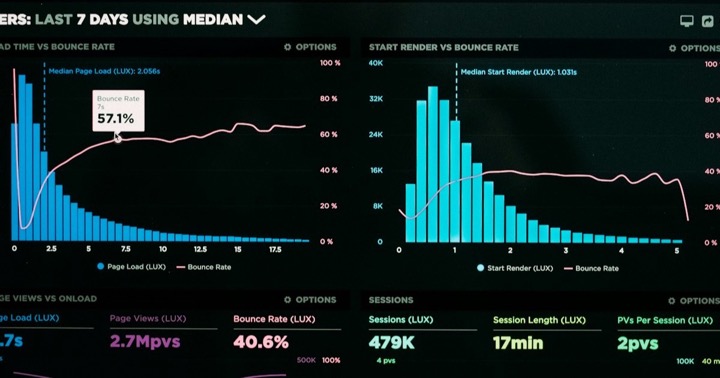
Your analytics can't see 80% of the economy
Pixels were built for sales that finish in a browser. Most sales don't. Here's the method that works on exports you already have — and why the tools you're paying for structurally cannot do it.

Nobody will tell you what a good match rate is, so here it is
Every attribution vendor quotes a match rate and none of them define it the same way. Here is what the number actually measures, what range is honest for a mid-market business, and the three ways the figure gets inflated before it reaches your slide.

Cost per lead is the most expensive number in marketing
It is easy to compute, easy to improve, and it will happily bankrupt you. A defense of the least popular position in performance marketing: that the metric most teams are held to is actively harmful, and that the alternative is available to anyone willing to do one join.

Your attribution is broken and it is almost certainly the phone numbers
Before you blame the matching algorithm, look at how phone numbers are stored on each side. Extensions, country codes, leading zeros and a spreadsheet that decided a number was maths — this is where most attribution quietly fails.

How to export a sales file that will actually match
The export is the part of an attribution project that everyone treats as trivial and that determines whether the whole thing works. Here is the field list, the date-range trap, the deduplication rule, and the six columns to leave out on purpose.

Attribution models are an argument about credit, not a source of truth
First touch, last touch, linear, time decay, U-shaped, data-driven. Six ways to divide a number that nobody has verified. Here is what each model is actually claiming, when the choice genuinely matters, and why arguing about it before you can match a sale is arguing about the wrong thing.
Stop guessing which ads pay off.
Two exports and a few minutes. 14 days free, no card, nothing to install.